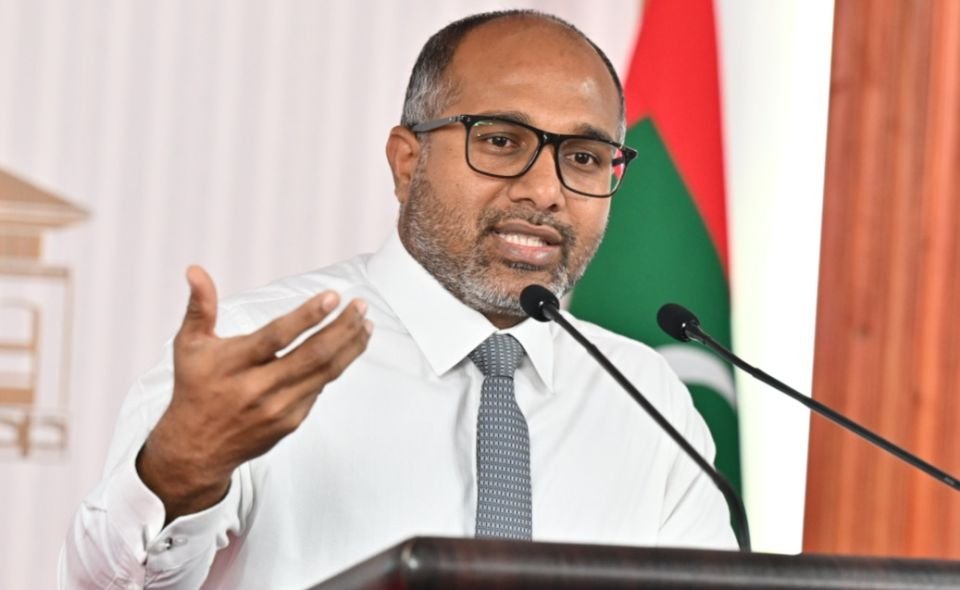

Political figures are among those involved in manipulating the Maldives’ parallel US dollar market and influencing unofficial exchange rates, Homeland Security and Technology Minister Ali Ihusaan has said, as authorities intensify action against unauthorised foreign currency trading.
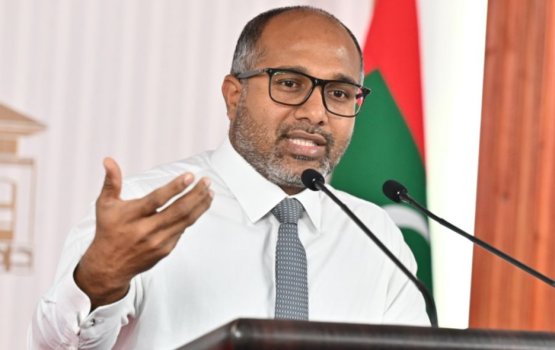
Speaking at a press conference at the President’s Office, Ihusaan said investigations had identified individuals and businesses operating outside the regulated foreign exchange system, including parties linked to the tourism and construction sectors.
He said conducting foreign currency exchange without the required licence is a criminal offence and warned that authorities would begin enforcing the law regardless of the individuals or businesses involved.
According to Ihusaan, the practice has become so normalised that even individuals who receive their salaries in US dollars sometimes sell the currency through the parallel market rather than through authorised channels.
The minister said authorities had also identified resorts, businesses and individuals participating in unauthorised dollar transactions.
Minister alleges coordinated effort to influence dollar rate
Ihusaan said the unofficial dollar rate was not always being determined purely by normal supply and demand.
According to the minister, certain individuals contact major currency traders in the morning and attempt to establish the exchange rate to be used for the day.
He alleged that political figures had also become involved in the process and were participating in efforts to influence the parallel market rate.
The minister did not publicly identify the politicians or businesses he was referring to.
Ihusaan said authorities had collected information on seven parties that allegedly traded around USD 76 million through the parallel market over a nine-month period.
He said those under scrutiny included businesses operating without the necessary foreign exchange licences as well as well-known resort operators.
PSM News separately reported Ihusaan as saying that one resort group alone had sold approximately USD 4 million through the black market during the period.
The minister also said authorities were examining construction companies that receive payments in US dollars from resort development projects but subsequently sell some of those funds through unauthorised channels.
He described some of the suspected activities as potentially serious financial offences, including transactions that could raise money-laundering concerns.
Government examining resort dollar transactions
Ihusaan said authorities were paying particular attention to resorts that claim they face difficulties depositing or converting foreign currency through banks while significant amounts of dollars are allegedly being supplied to the parallel market.
The government is investigating such cases, he said.
Although foreign currency laws had not always been strictly enforced in the past, Ihusaan said this should not be interpreted as meaning violations would continue to be tolerated.
“The fact that these laws may not have been enforced for a long period does not mean things will continue in the same way,” he said.
He added that authorities would enforce the law without favouring particular individuals.
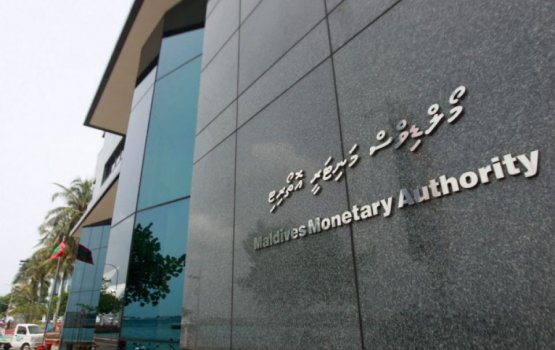
At the time of Ihusaan’s remarks, the Maldives Monetary Authority regulated foreign currency businesses and imposed licensing and compliance requirements under the Foreign Currency Act. The Act also empowered the MMA to impose significant financial penalties for breaches of foreign currency requirements.
Ihusaan said even licensed money changers could face action if they conducted transactions outside the rates or conditions permitted by the regulator.
The government has stepped up its focus on the parallel foreign exchange market as it seeks to bring more tourism-generated dollars into the formal banking system and improve access to foreign currency for businesses and individuals.
The Foreign Currency Act, which came into force in January 2025, requires specified tourism businesses and other major foreign currency earners to transfer and convert part of their foreign exchange revenue through the domestic banking system.
Source: The Press / PSM News