NEW DELHI — India has approved an INR 840.84 billion (approximately USD 8.8 billion) programme to accelerate offshore oil and natural gas exploration, as the country seeks to increase domestic production and strengthen long-term energy security.
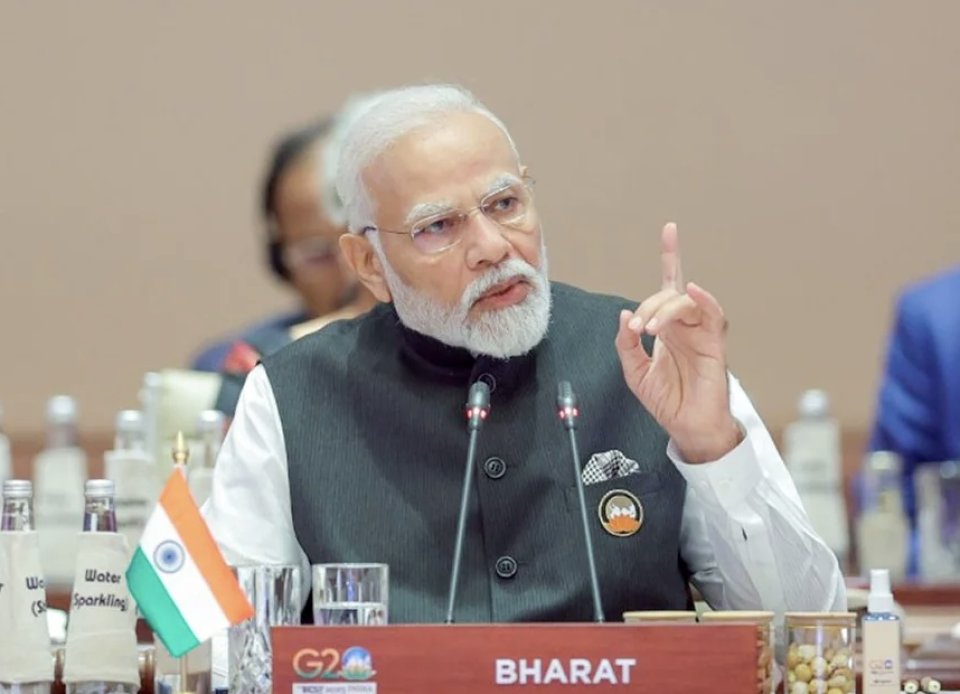
The National Offshore Exploration Scheme, known as Samudra Manthan, was approved by the Union Cabinet chaired by Prime Minister Narendra Modi. The programme will be implemented through the 2030–31 financial year.
Under the scheme, the government will provide financial support covering up to 50 percent of the eligible cost of drilling a deepwater exploration well, capped at INR 6.75 billion per well.
Deepwater exploration requires substantial capital and carries significant financial risk because commercially viable reserves are not guaranteed. According to India’s Ministry of Petroleum and Natural Gas, drilling a single deepwater exploratory well can cost between USD 125 million and USD 150 million.
Government support is therefore intended to lower the risk faced by exploration companies and encourage greater domestic and international investment in Indian offshore basins.
The programme will cover potential hydrocarbon areas including the Krishna-Godavari, Cauvery and Mahanadi basins, as well as waters around the Andaman region.
According to the official government announcement, the scheme includes four main components:
- USD 2.99 billion to acquire and process modern offshore seismic data;
- USD 4.52 billion to drill 60 deepwater exploration wells;
- USD 1.05 billion to develop common offshore infrastructure hubs; and
- USD 209 million to establish oil and gas manufacturing and service zones.
The offshore infrastructure is intended to help bring commercially viable discoveries into production, while the proposed manufacturing and service zones will strengthen India’s domestic capacity to produce specialised offshore equipment and provide related technical services.
India is one of the world’s largest energy consumers and remains heavily dependent on imported crude oil. This exposes the economy to fluctuations in international oil prices, geopolitical tensions and disruptions affecting major maritime supply routes.
The government views expanded domestic exploration as an important step towards diversifying supplies and improving the country’s ability to withstand volatility in global energy markets.
Subject to successful exploration, Samudra Manthan aims to increase India’s annual domestic oil and gas production from approximately 62 million metric tonnes of oil equivalent to 80 million tonnes.
It also seeks to expand the country’s identified hydrocarbon resource base from 1.6 billion tonnes of oil equivalent to 2.2 billion tonnes. The government estimates that additional domestic production could eventually reduce crude oil imports by nearly INR 1 trillion annually.
The Prime Minister’s Office said the programme could unlock more than 600 million metric tonnes of oil-equivalent resources while creating employment and supporting India’s domestic manufacturing sector.
The initiative also forms part of India’s broader push for technological self-reliance. Alongside attracting global expertise and investment, New Delhi aims to develop domestic capacity across seismic surveying, deepwater drilling, offshore engineering, equipment manufacturing and production services.
If the planned exploration produces commercially viable discoveries, the programme could help India diversify its energy sources while supporting investment and employment across the country’s oil and gas value chain. (Source: asia.nikkei)