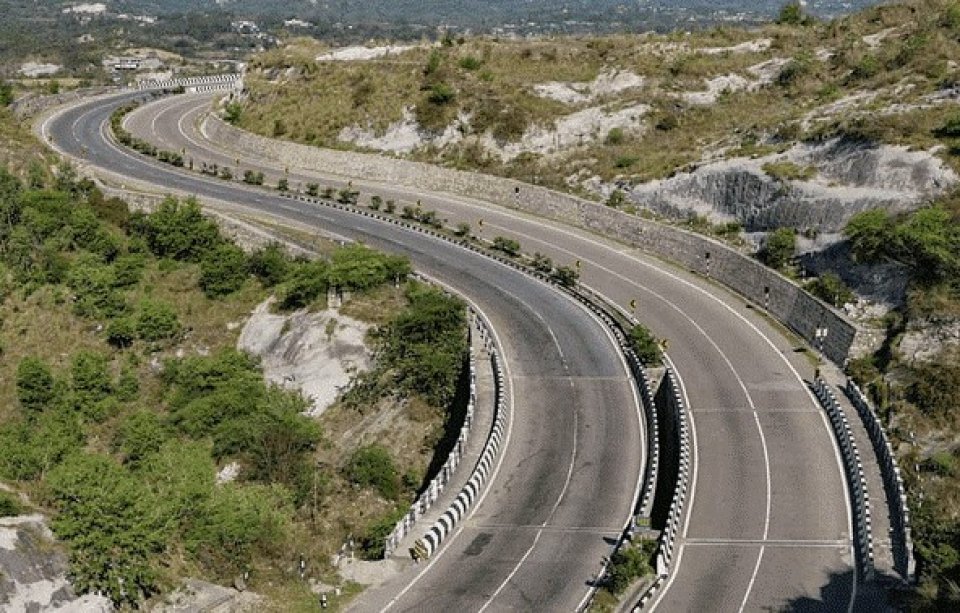
Indian-administered Jammu and Kashmir has recorded significant improvements in infrastructure, connectivity and public services over the past decade, supported by major investment from the Indian government.
In 2015, New Delhi announced an INR 800.68 billion development package covering roads, power, healthcare, education, tourism and agriculture. The programme supported the construction of highways, tunnels, rural roads and institutions such as IIT Jammu, IIM Jammu and branches of AIIMS.
A major project is the 272-kilometre Udhampur–Srinagar–Baramulla Rail Link, which connects the Kashmir Valley with India’s wider railway network. The route includes the Chenab Rail Bridge, described by Indian authorities as the world’s highest railway arch bridge.
According to the Jammu and Kashmir Economic Survey 2025–26, per-capita income is estimated at INR 168,243. Tourism, construction and services have also expanded, although unemployment and the availability of stable jobs remain concerns.
New Delhi says development accelerated after Jammu and Kashmir’s special constitutional status under Article 370 was revoked in 2019. Supporters cite improved governance and increased investment, while critics have raised concerns over statehood, political representation and civil liberties.
Assembly elections were held in 2024, restoring an elected regional government. However, the promised restoration of full statehood remains pending.
Jammu and Kashmir remains part of a wider territorial dispute involving India, Pakistan and China. India administers Jammu, the Kashmir Valley and part of Ladakh, Pakistan administers Azad Jammu and Kashmir and Gilgit-Baltistan, while China controls Aksai Chin.
Despite the continuing political dispute, improvements in transport, healthcare, education and energy have brought visible changes. Their longer-term impact will depend on sustainable employment, accountable governance and continued regional stability. (Source: News syndicate)