Bangladesh's government is pursuing closer economic cooperation with China while also taking steps to strengthen its longstanding relationship with neighbouring India as it seeks to support economic growth and regional connectivity.
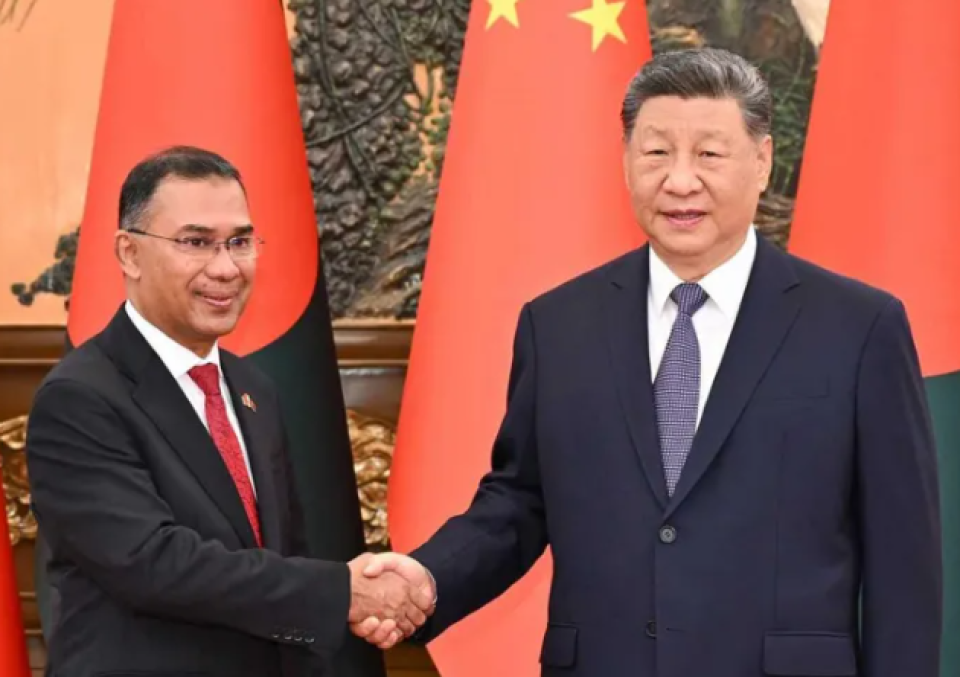
Prime Minister Tarique Rahman visited Malaysia and China on his first official overseas tour last month, underscoring Bangladesh's focus on expanding international partnerships. The visit resulted in several agreements aimed at enhancing economic cooperation, infrastructure development and investment.
Among the key understandings reached with Beijing were plans to conduct a technical feasibility study on the management of the Teesta River and discussions on developing a special economic zone near Mongla Port. Bangladeshi officials say the projects are intended to support agricultural productivity, industrial development and trade.
The Teesta River, which is shared by Bangladesh and India, has long been the subject of discussions between the two countries regarding water management. Bangladesh has previously expressed interest in international cooperation to improve river management through dredging, desilting and other engineering measures.
Chinese officials reiterated that cooperation between Beijing and Dhaka is focused on bilateral development objectives. Chinese Foreign Ministry spokesperson Guo Jiakun said China-Bangladesh cooperation "does not target any third party and should be free from third-party influence."
At the same time, Bangladesh and India have been working to improve bilateral relations following a period of diplomatic strain after the political transition in Bangladesh in 2024.
Recent months have seen several positive developments, including the gradual restoration of cross-border transport services, the resumption of tourist visa issuance and continued cooperation in trade and energy. During disruptions to global fuel supplies earlier this year, India supplied emergency fuel to Bangladesh through the Friendship Pipeline, highlighting ongoing cooperation between the two neighbours.
India has also appointed a new High Commissioner to Dhaka, reflecting continued diplomatic engagement between the two countries. Bilateral trade remains substantial, valued at approximately £13 billion annually, making India one of Bangladesh's most important trading partners.
Analysts note that while some political and diplomatic issues remain under discussion, both Dhaka and New Delhi have demonstrated an interest in maintaining constructive relations based on mutual economic and security interests.
China continues to play an important role in Bangladesh's development agenda through investments, infrastructure financing and industrial cooperation. During Rahman's visit, discussions also covered the proposed China-Myanmar-Bangladesh Economic Corridor, which aims to improve regional connectivity and facilitate trade.
China is also Bangladesh's largest defence supplier and an important development partner, while India remains Bangladesh's closest geographical neighbour with deep historical, cultural and economic ties.
Observers say Bangladesh's foreign policy reflects an effort to maintain productive relationships with both regional partners while advancing its own national development priorities. As South Asia continues to evolve economically and strategically, Dhaka appears focused on engaging constructively with all major partners in support of sustainable growth, regional stability and economic cooperation. (Source: BBC)