
For years, India's rise was largely discussed in terms of potential. With its vast population, expanding middle class and rapidly growing technology sector, the country was widely seen as an economy with immense promise. Today, that conversation has shifted. India is increasingly being recognised not only for its potential, but for the role it is already playing in shaping the global economy and international affairs.
Recent economic data reflects that transformation. According to international media reports, India's economy expanded by 7.8 percent during the January-March quarter of 2026, once again making it the world's fastest-growing major economy. At a time when many advanced economies continue to grapple with slowing growth, high interest rates and geopolitical uncertainty, India's steady economic performance has drawn growing attention from investors, policymakers and international institutions.
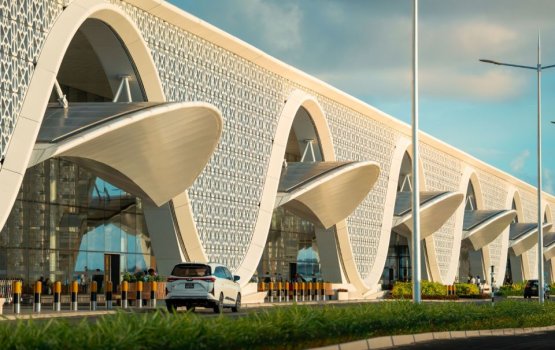
Much of that growth has been underpinned by sustained investment over the past decade. The country has channelled significant resources into highways, ports, airports, railways and digital infrastructure while introducing policies aimed at strengthening domestic manufacturing. These efforts have encouraged multinational companies to expand their operations in India as businesses look to diversify global supply chains and reduce dependence on traditional manufacturing hubs.
The shift is becoming increasingly visible. International companies that once viewed India mainly as a consumer market are now investing in the country as a manufacturing and innovation base. From electronics and renewable energy to pharmaceuticals and defence production, India has steadily expanded its industrial capabilities while improving its attractiveness as a long-term investment destination.
Economic strength has also translated into greater geopolitical influence. Analysts say India's growing economic weight has provided New Delhi with greater strategic flexibility, allowing it to deepen partnerships across multiple regions while maintaining an independent foreign policy. India has strengthened cooperation with the United States, Europe, the Gulf, Africa and Southeast Asia, while continuing to play an active role in multilateral forums including the G20, BRICS and the Quad.
Rather than aligning itself exclusively with one geopolitical bloc, India has pursued a balanced approach that allows it to engage with a wide range of international partners. Foreign policy observers believe this strategy has enhanced the country's credibility and enabled it to play a more prominent role in discussions on trade, maritime security, climate change, energy security and emerging technologies.
India's growing influence is also reflected in its technological advancements. Its digital public infrastructure, innovation ecosystem and startup sector have attracted international recognition, with several countries studying India's digital governance model. At the same time, the country's expanding defence manufacturing industry has strengthened domestic capabilities while positioning India as an emerging exporter of defence equipment and technology.
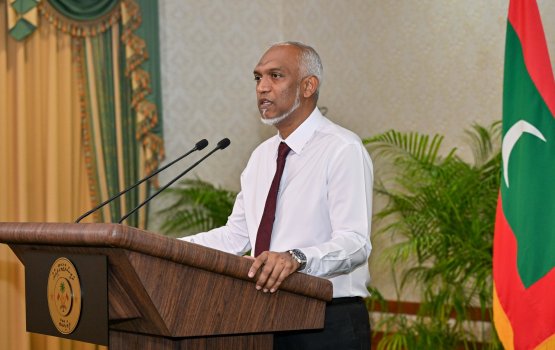
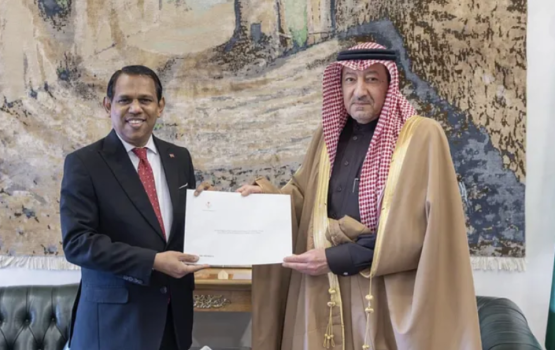
For the Maldives, India's continued economic growth carries particular significance. India has remained one of the Maldives' closest development partners, supporting projects in infrastructure, healthcare, education, disaster response and capacity building. As the two countries commemorate 60 years of diplomatic relations this year, economic cooperation is expected to play an increasingly important role in strengthening bilateral ties, creating new opportunities in trade, tourism, investment, technology and connectivity.
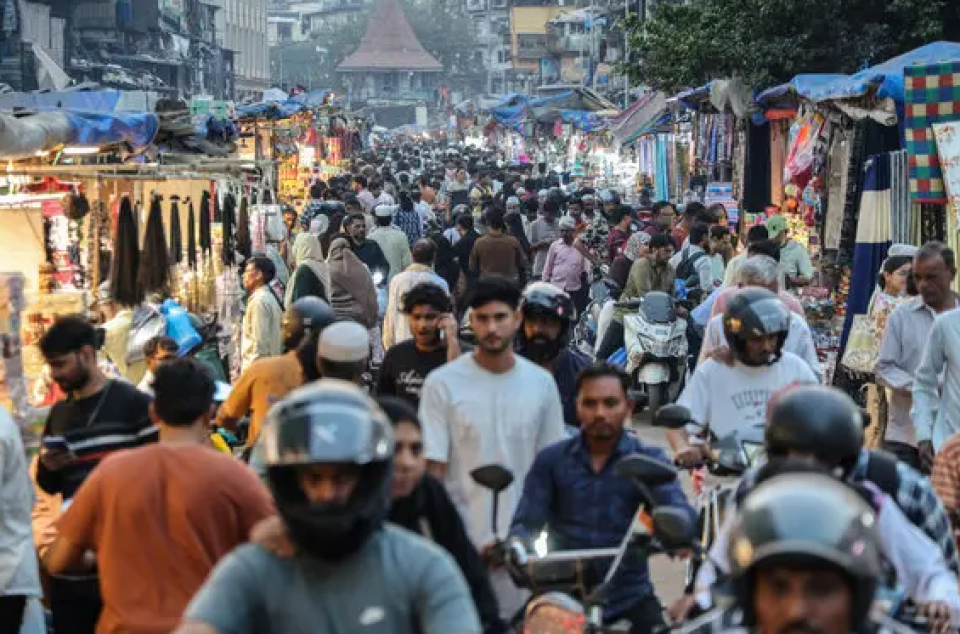
While India continues to face challenges, including job creation, urbanisation and ensuring that economic growth remains inclusive, many analysts believe the country's overall trajectory remains positive. Its expanding economy, growing technological capabilities and increasing diplomatic engagement are reinforcing its position as one of the key powers shaping the emerging global order.
What was once described as India's future is now becoming its present. As the international landscape continues to evolve, the country's economic strength is increasingly being matched by its geopolitical influence, making it an increasingly important partner not only in South Asia but across the wider Indo-Pacific and beyond.